
Being Seen
Tenderness In Frame
HeyBoy Exclusive
Being Seen
Tenderness In Frame
HeyBoy Exclusive
Photographer: Ivan Tamarkin
Models: Denis, Dima & Sasha
Moscow, Russia
Boys, Boys, Boys
HeyBoy Exclusive

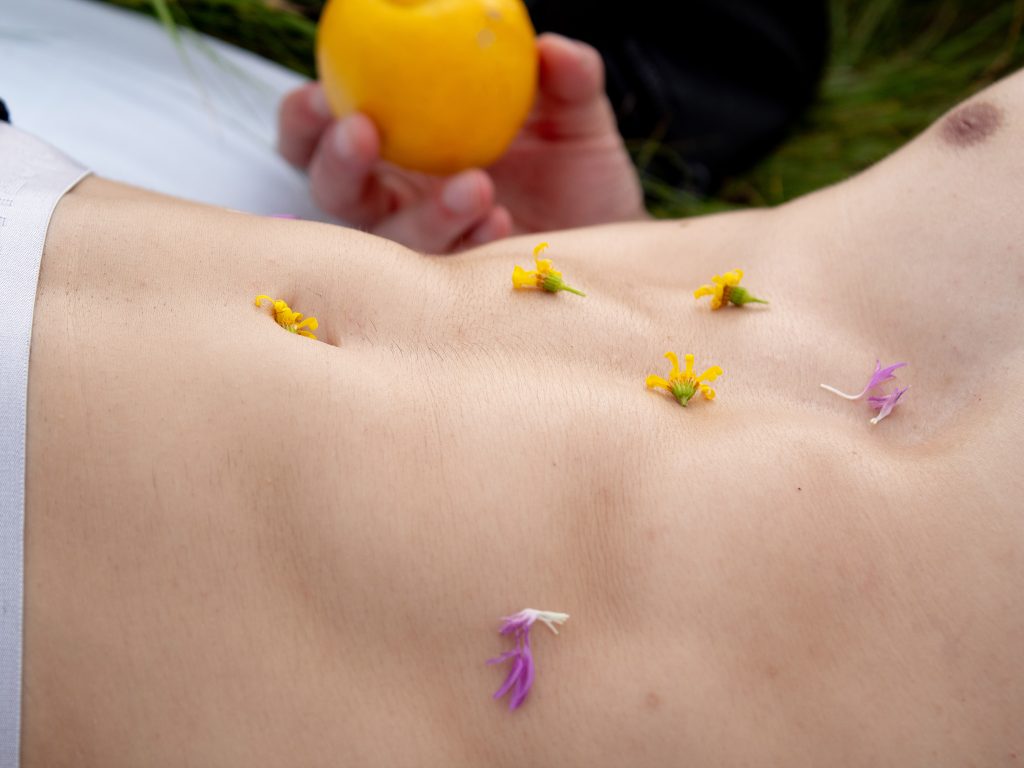
Ivan Tamarkin’s photographs do not demand attention, they inhabit it. His work lingers in the subtle gestures of the body, in the spaces between control and release, and in the fragile moments where form is allowed to exist on its own terms. Guided by discipline, curiosity, and care, his images favor integrity over spectacle.
This interview moves the same way his work does. Observant. Considered. With room to pause and reflect.
Ivan Tamarkin’s photographs do not demand attention, they inhabit it. His work lingers in the subtle gestures of the body, in the spaces between control and release, and in the fragile moments where form is allowed to exist on its own terms. Guided by discipline, curiosity, and care, his images favor integrity over spectacle.
This interview moves the same way his work does. Observant. Considered. With room to pause and reflect.
Q) Ivan, your story begins in Moscow and then moves quietly to a smaller town. How do you think that shift in geography shaped the way you see people, space, and closeness?
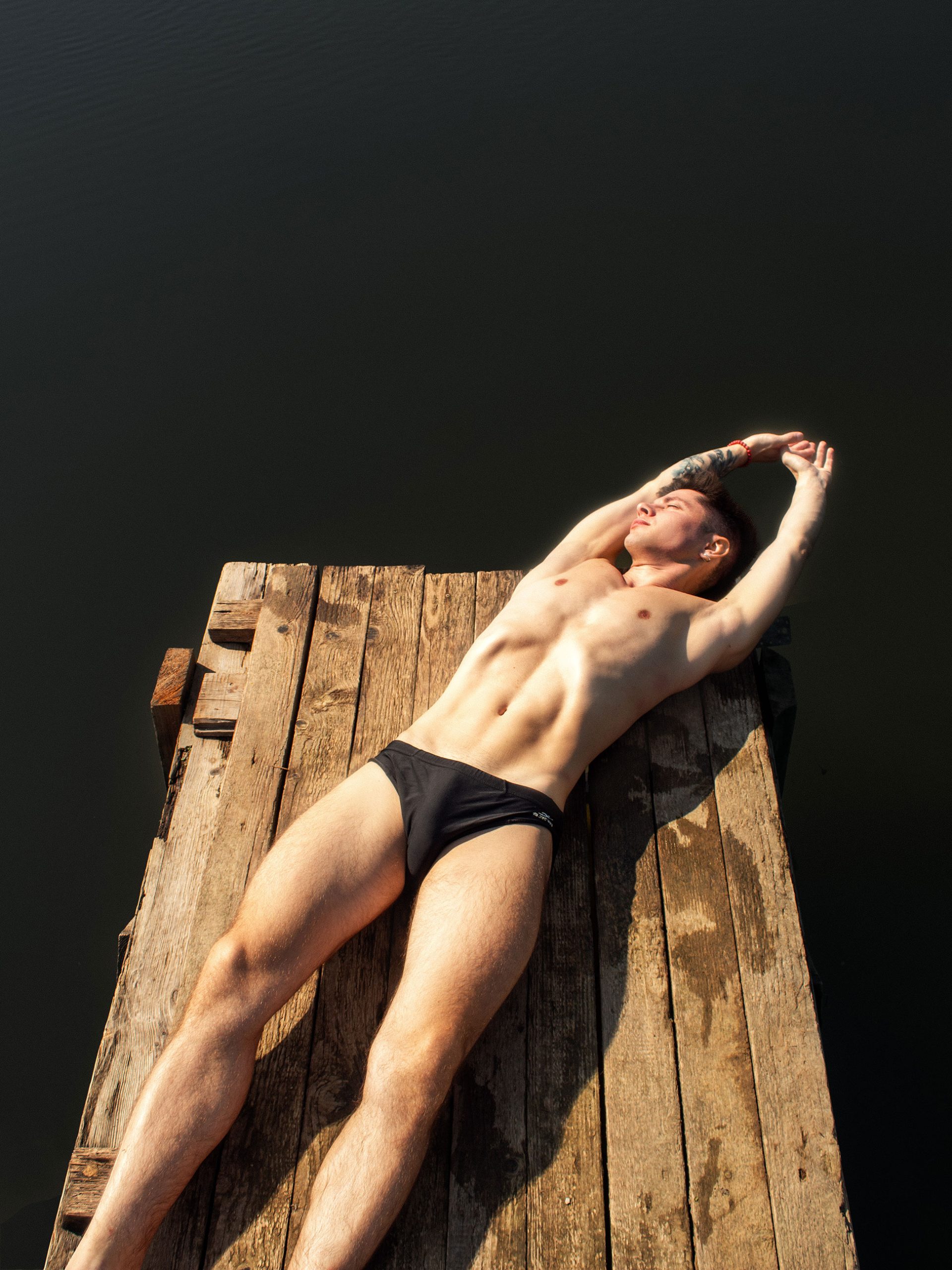
A) Since my family moved from Moscow when I was just two, I don’t have a conscious comparison between the two places. However, I believe the stillness of small-town life has been fundamental to my vision. It taught me to appreciate the quiet beauty of nature and the inner depth of the people I shoot. In a small town, time doesn’t rush you. This slowness gave me the space to stop, look inward, and truly understand myself and my subjects.
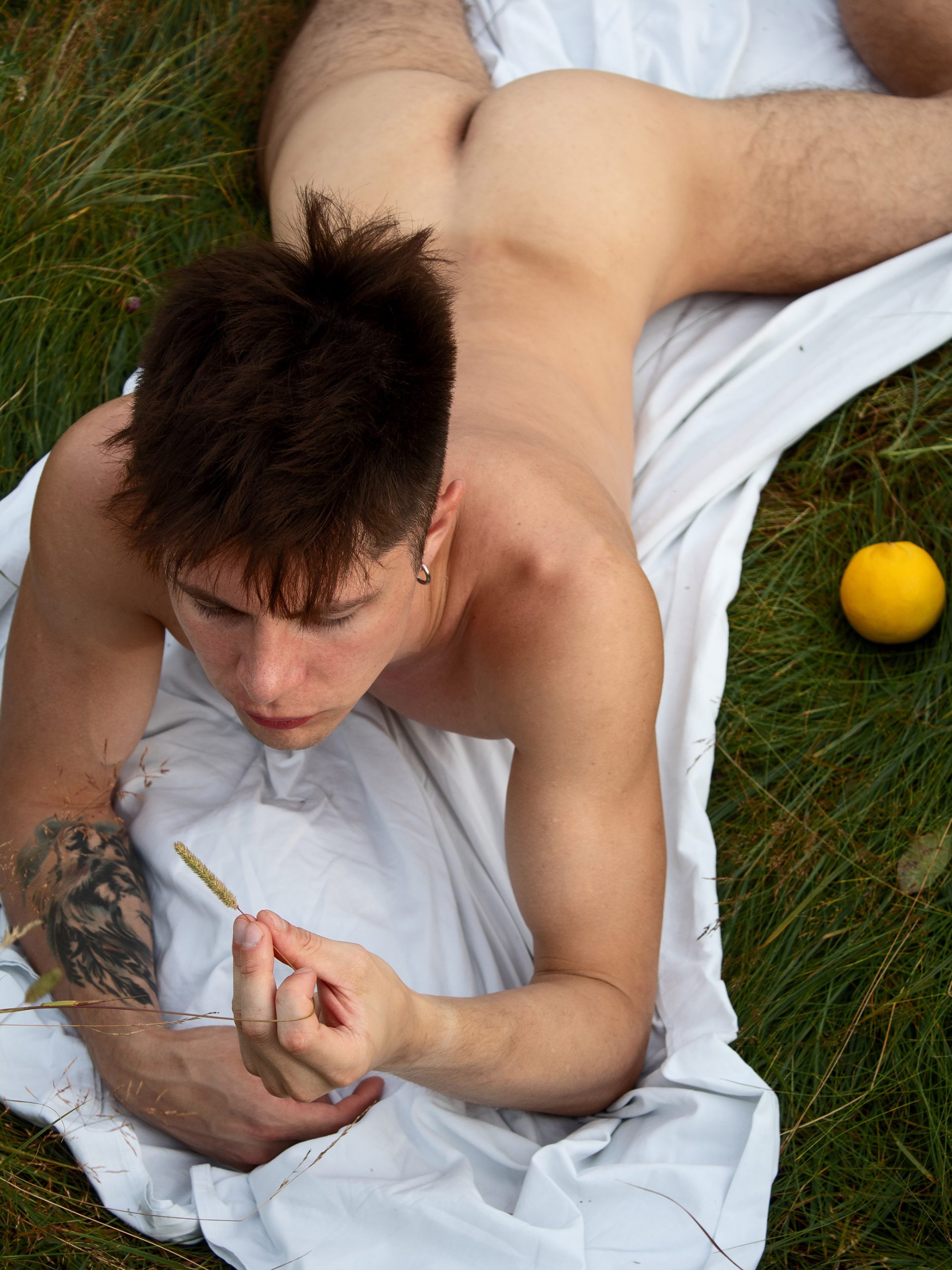
Q) You grew up within a religious environment, surrounded by ritual and restraint. How does that early atmosphere still echo through your way of seeing and photographing today?
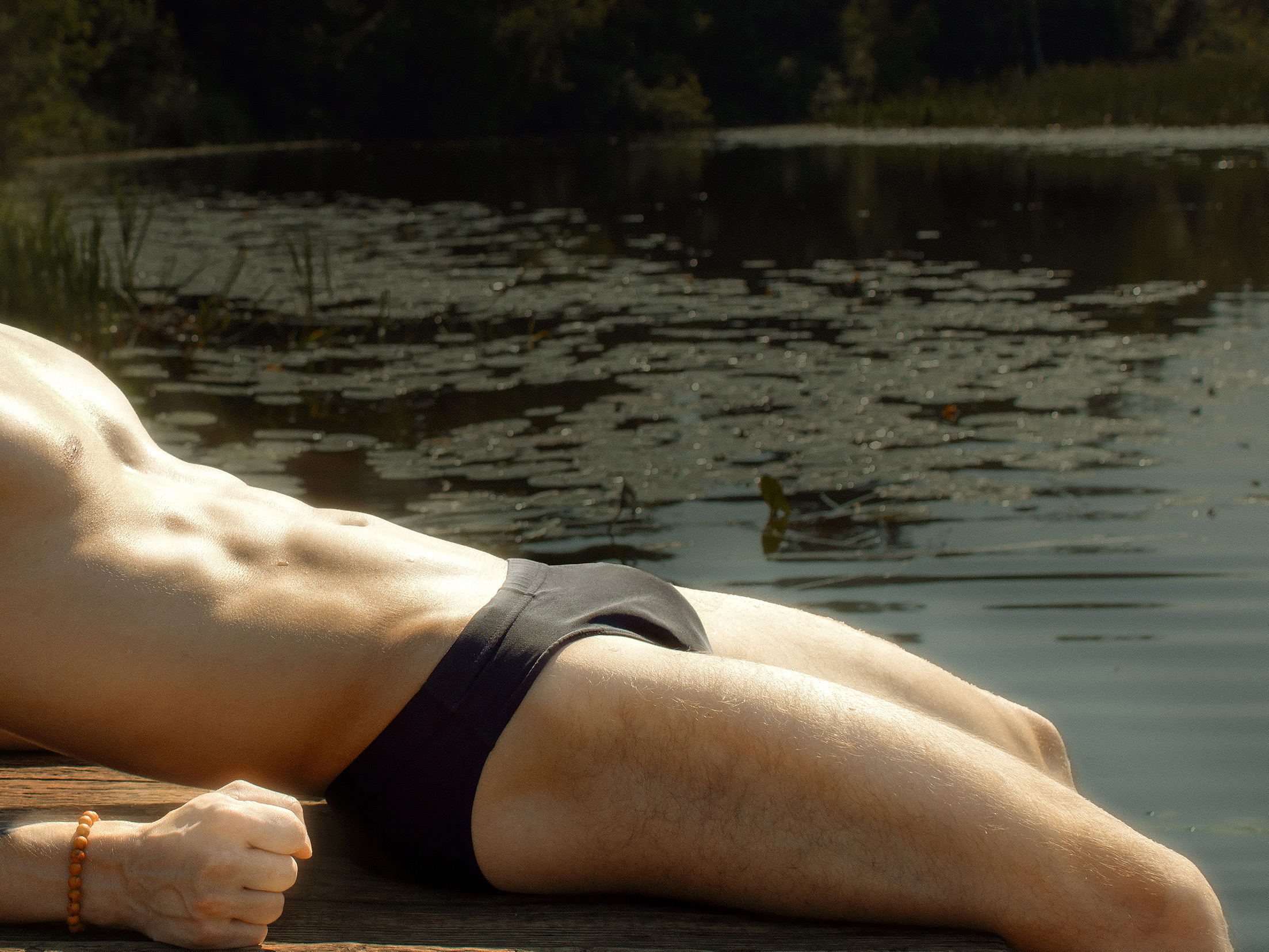
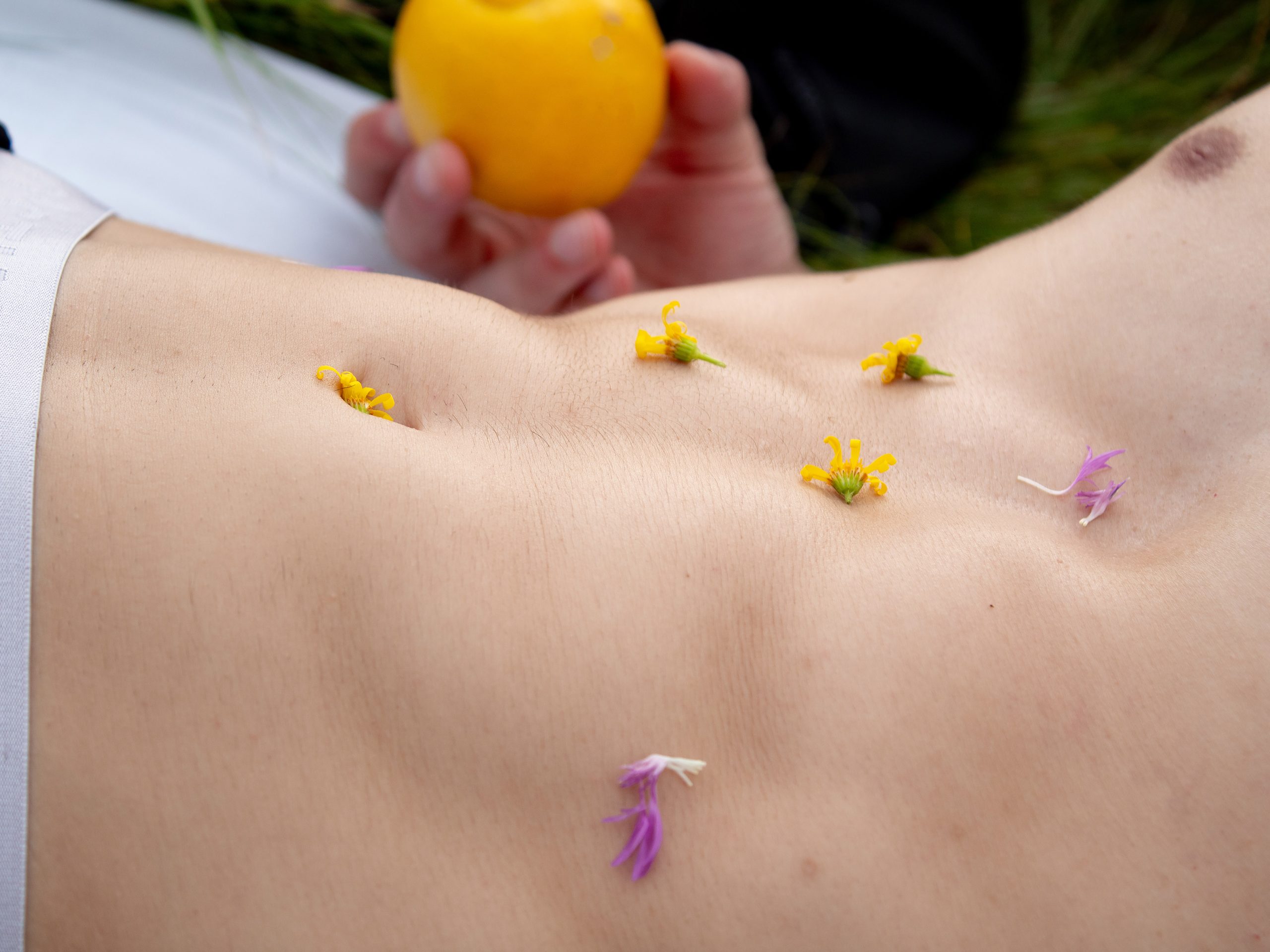
A) That environment shaped me more than I realized. Back then, exposing the body was prohibited, and anatomy was treated as something indecent rather than beautiful. My photography is my protest. It’s a liberation from the constraints and ideologies that were imposed on me since childhood.
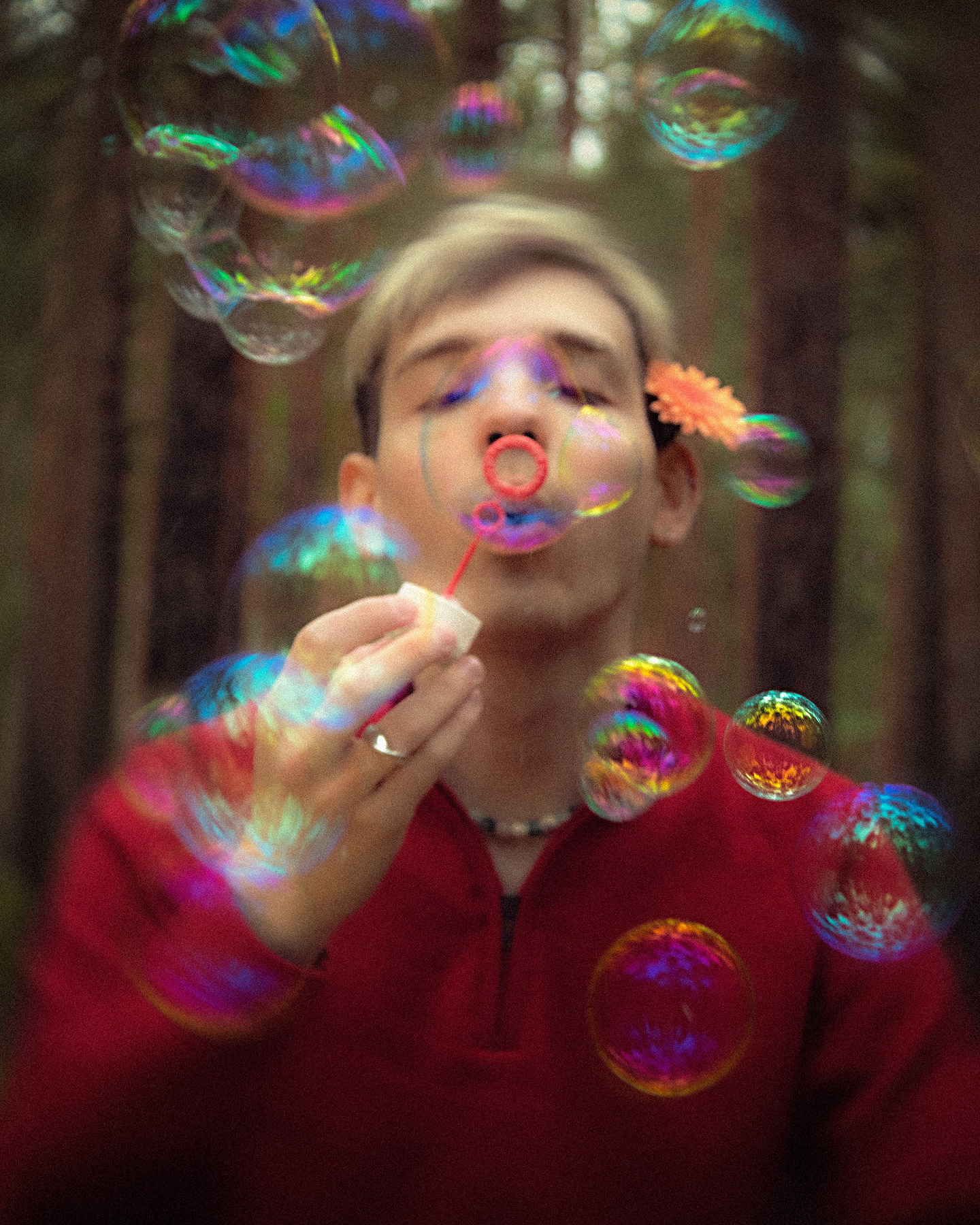
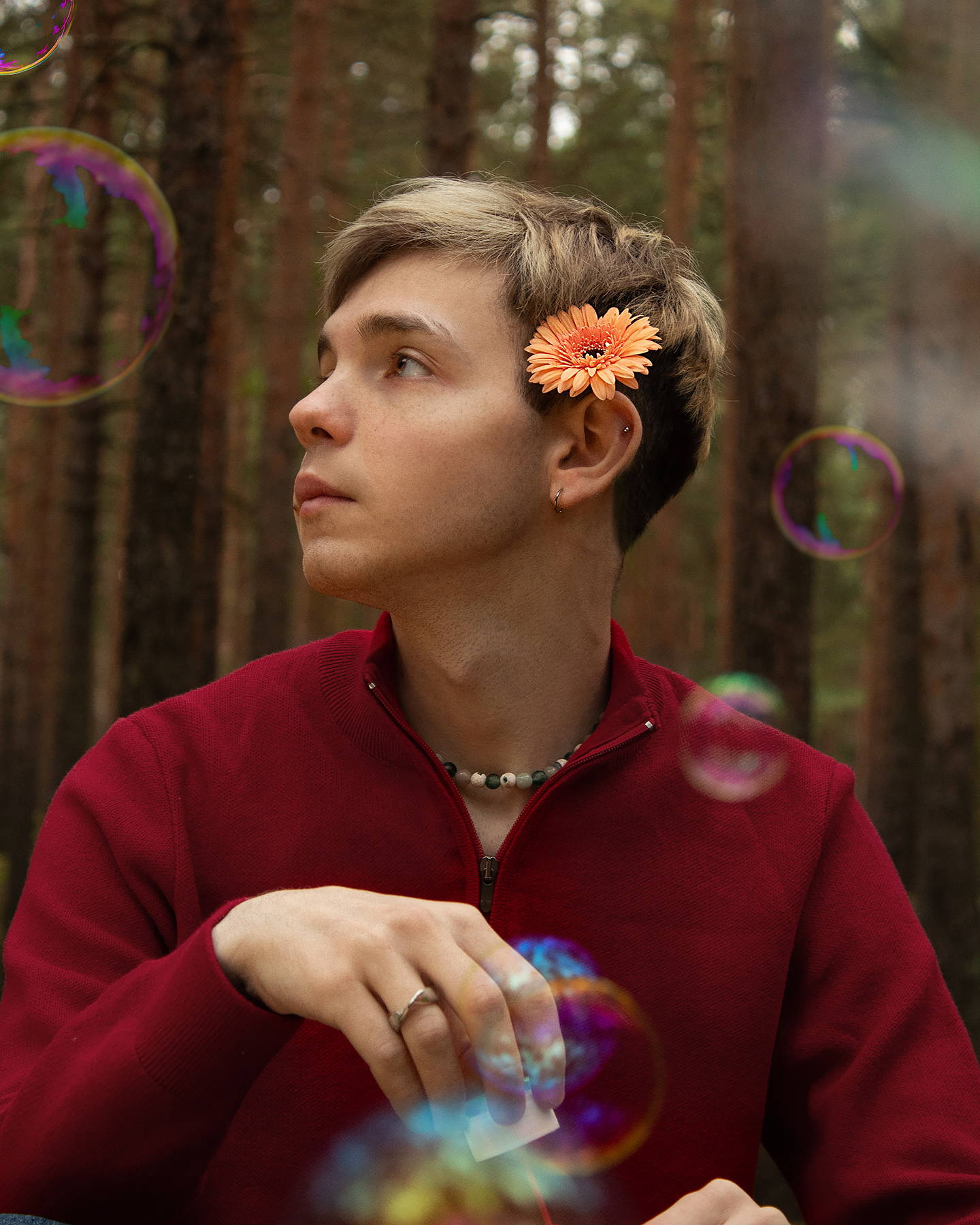
Q) You often photograph the nude male form with a sense of calm and tenderness rather than provocation. What first drew you to the male body as a subject?
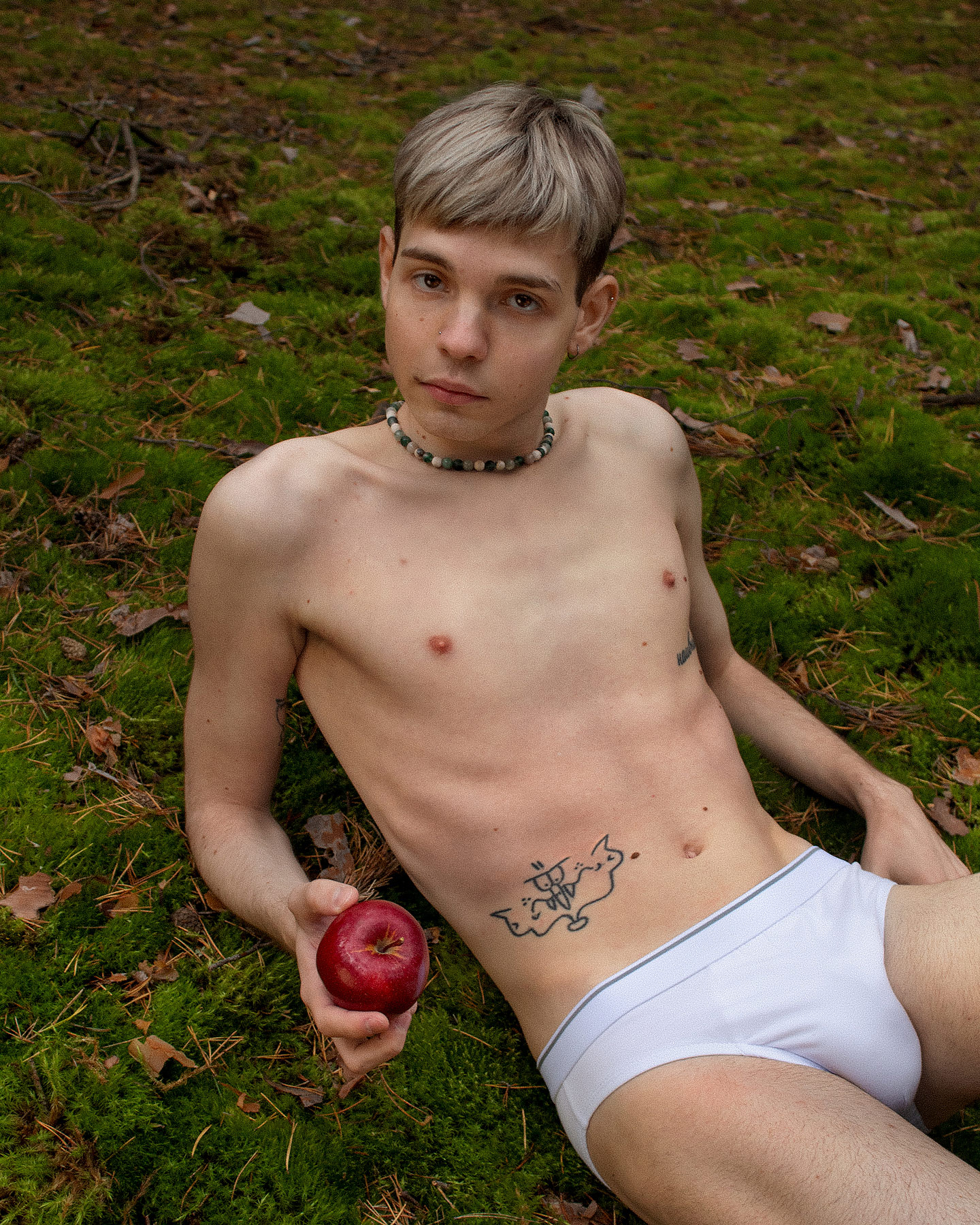
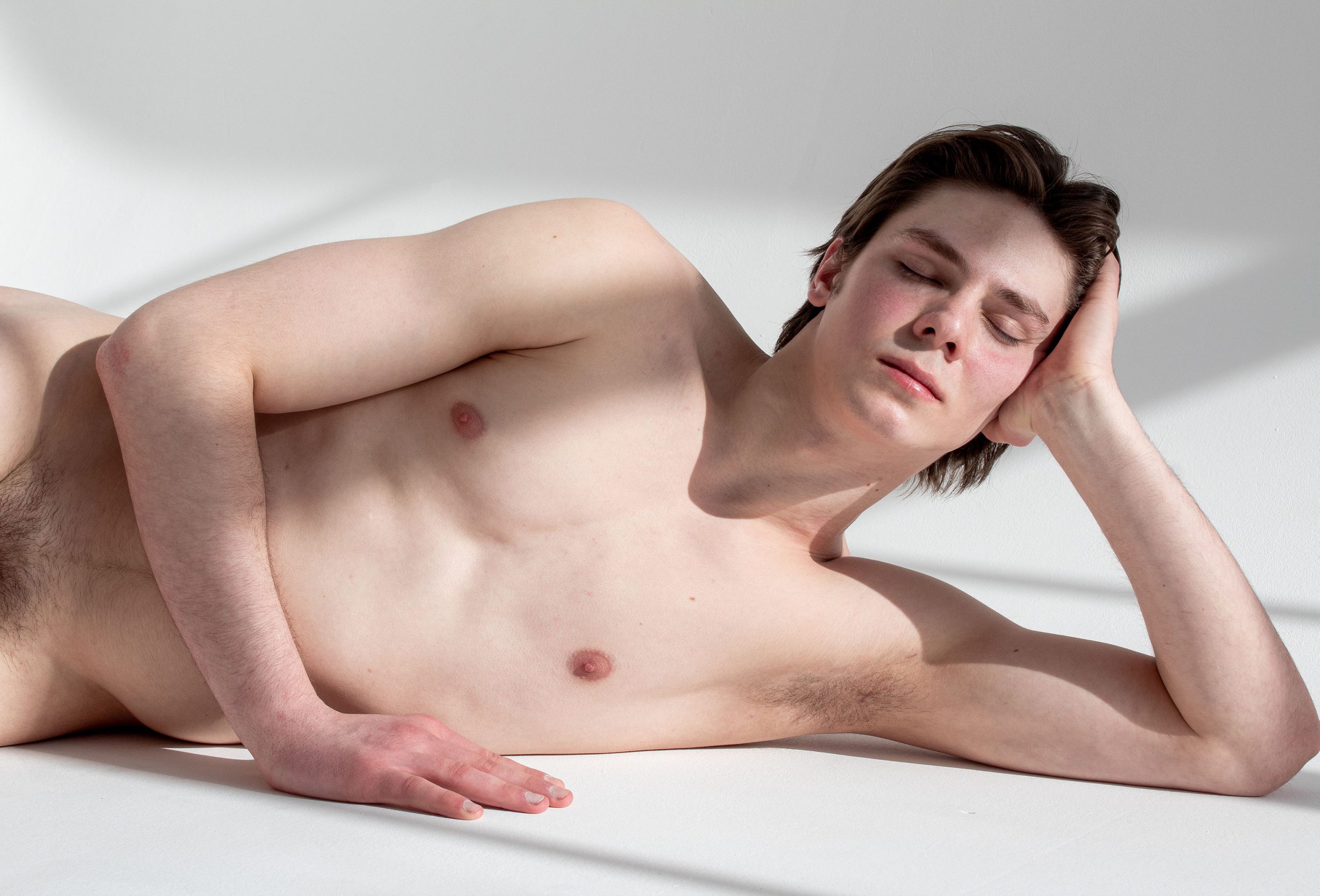
A) I have always loved guys, but I have never looked at them as mere objects of desire. I wanted to show my future audience that men can also be tender, vulnerable, and gentle, while still being incredibly sexy. They don’t need a mountain of muscle to be desirable. I wanted to emphasize that there is no contradiction between these qualities. Few photographers in my country are able to capture this nuance.
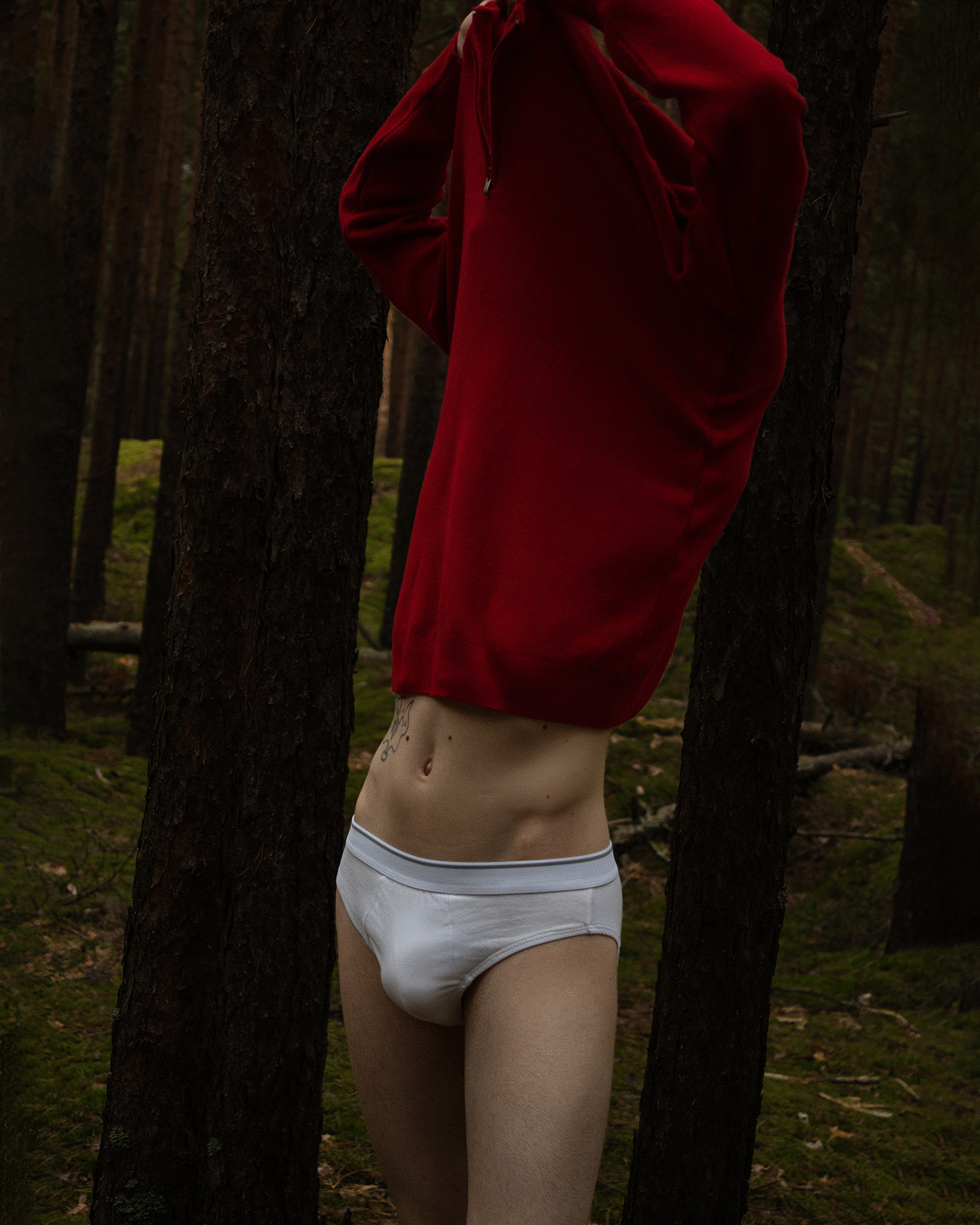
Q) Your images feel less about exposure and more about presence. What do you hope remains visible once the clothes, symbols, and expectations fall away?
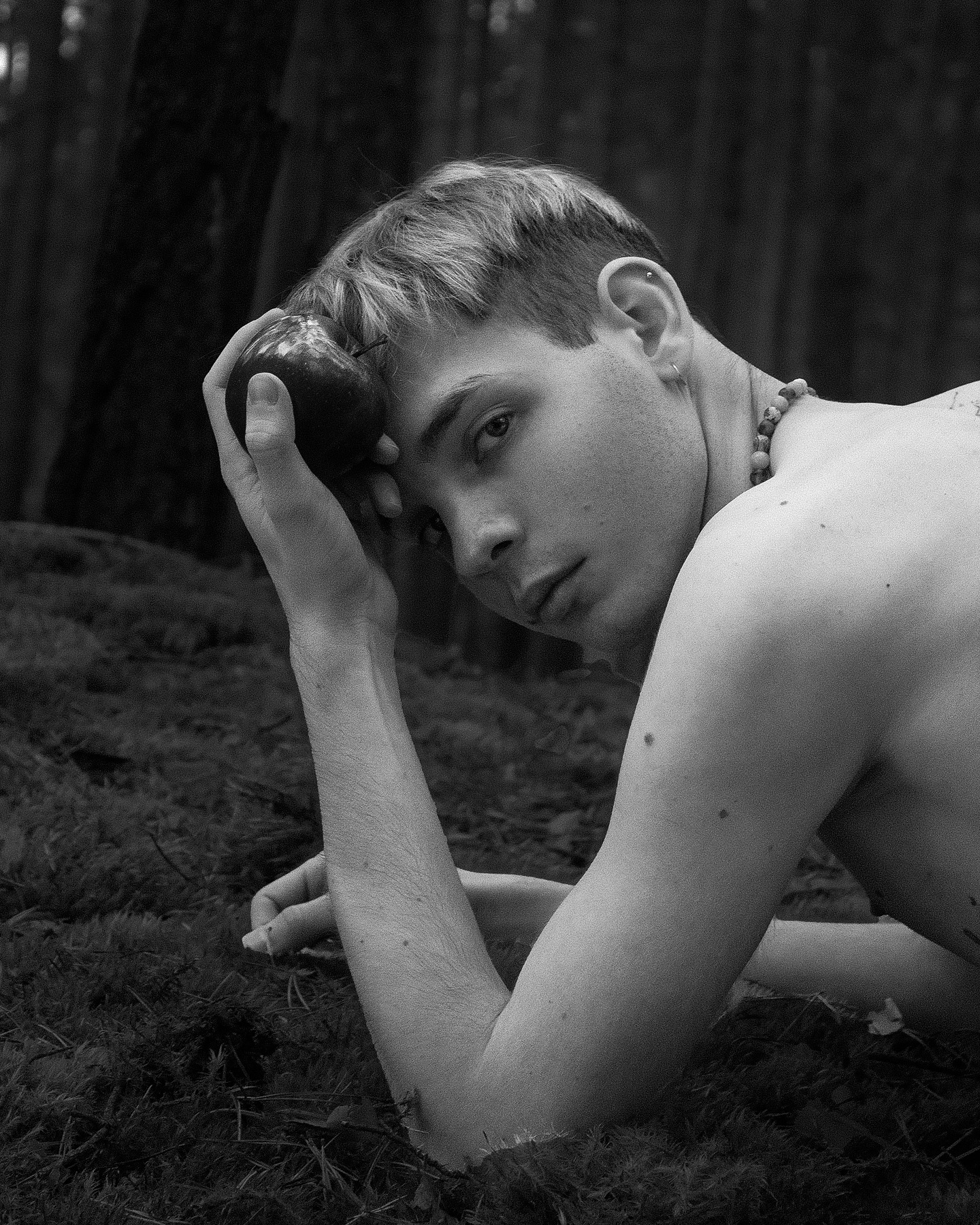
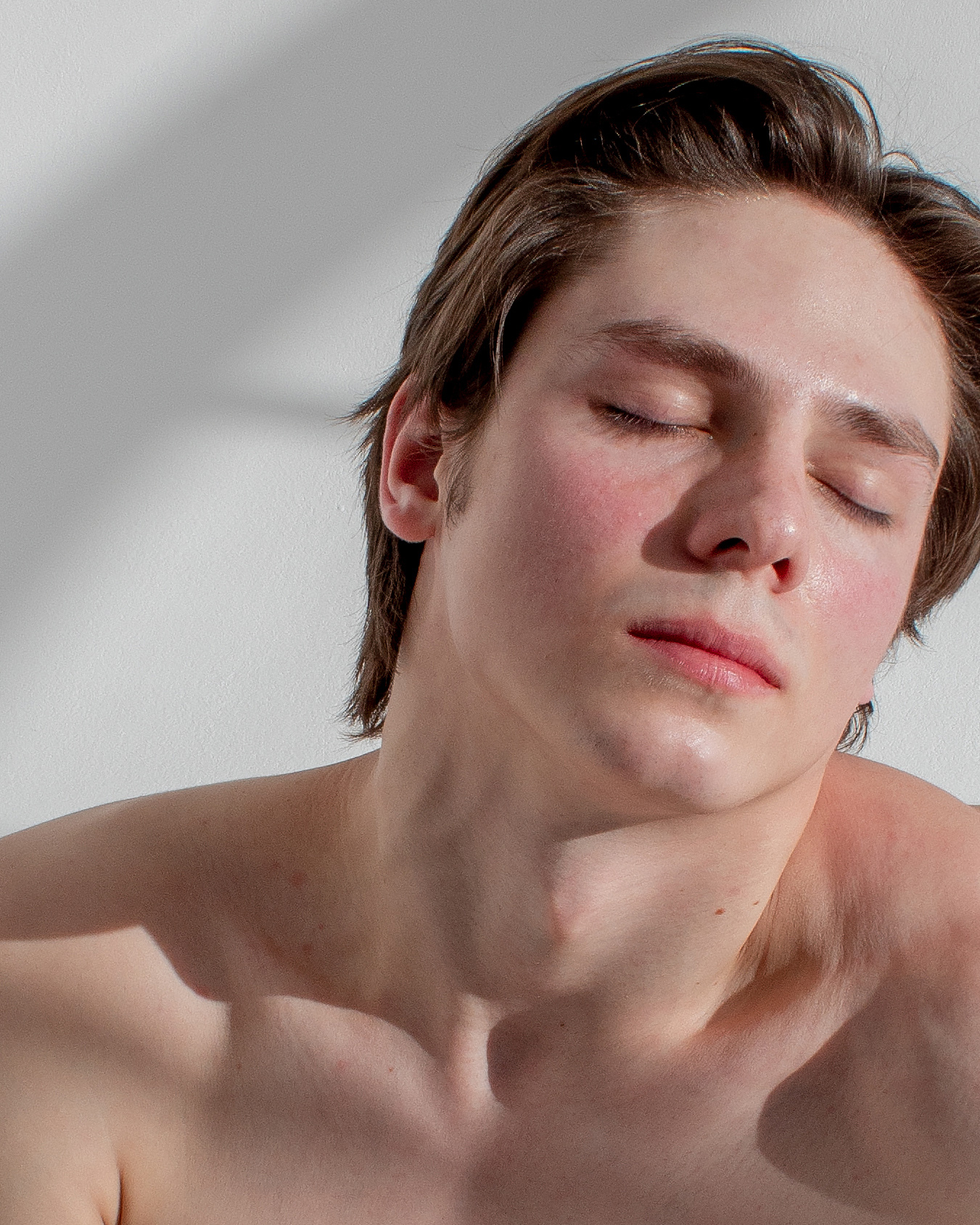
A) Thank you for such a compliment! I hope that what remains visible is vulnerability. In our society, men are always expected to be strong and impenetrable. When the clothes fall away, that armor disappears as well. I want the viewer to see fragility, sincerity, and the fact that being ‘naked’ is not about the absence of clothes, but about the courage to be oneself without any defence. Once everything external is removed, what stays in the frame is the invisible connection between me and the model. It is the honest gaze of a person who has nothing to hide.
Q) With degrees in architecture and engineering, you come from worlds built on structure and logic. How do those disciplines influence your sense of composition, balance, or restraint?
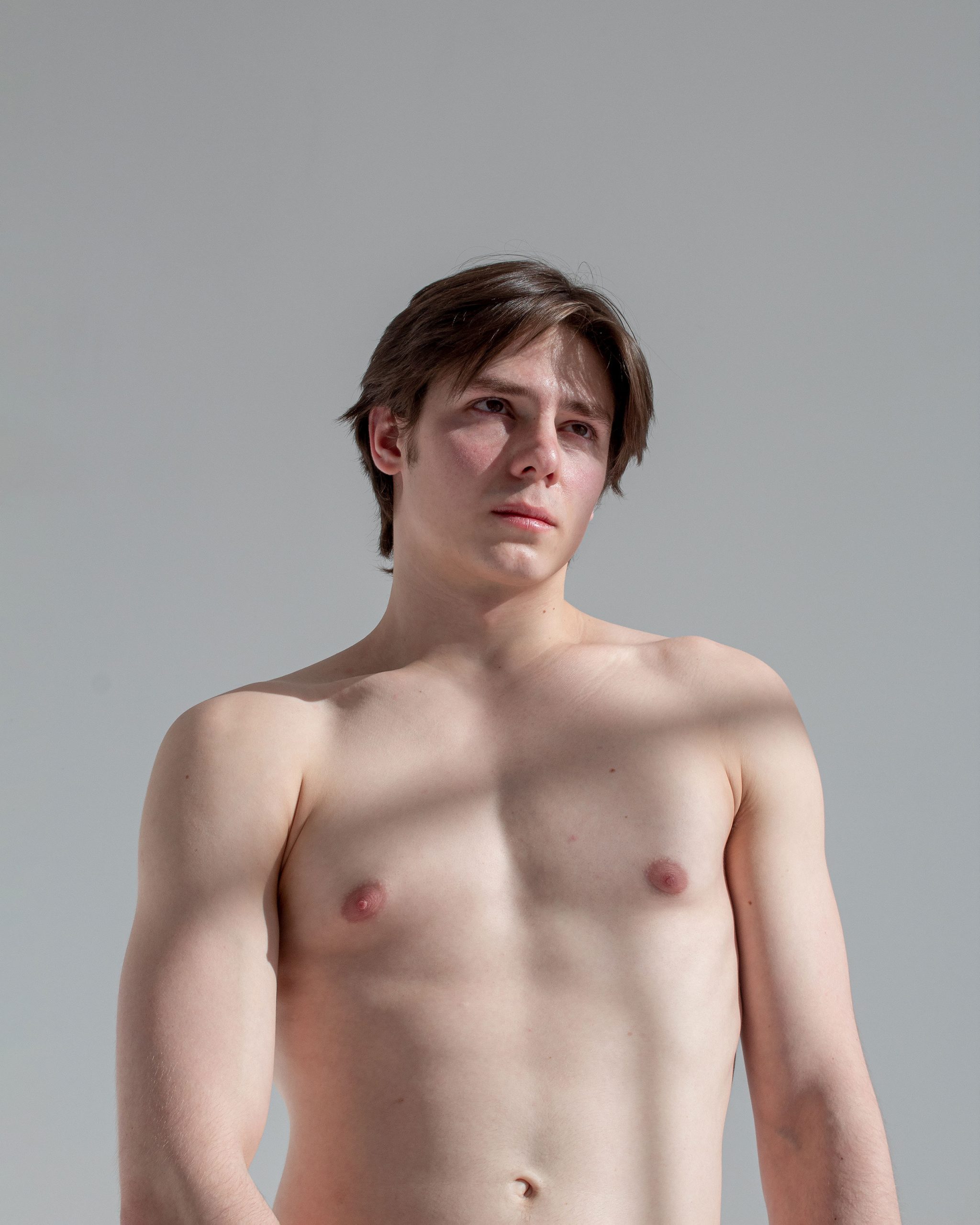
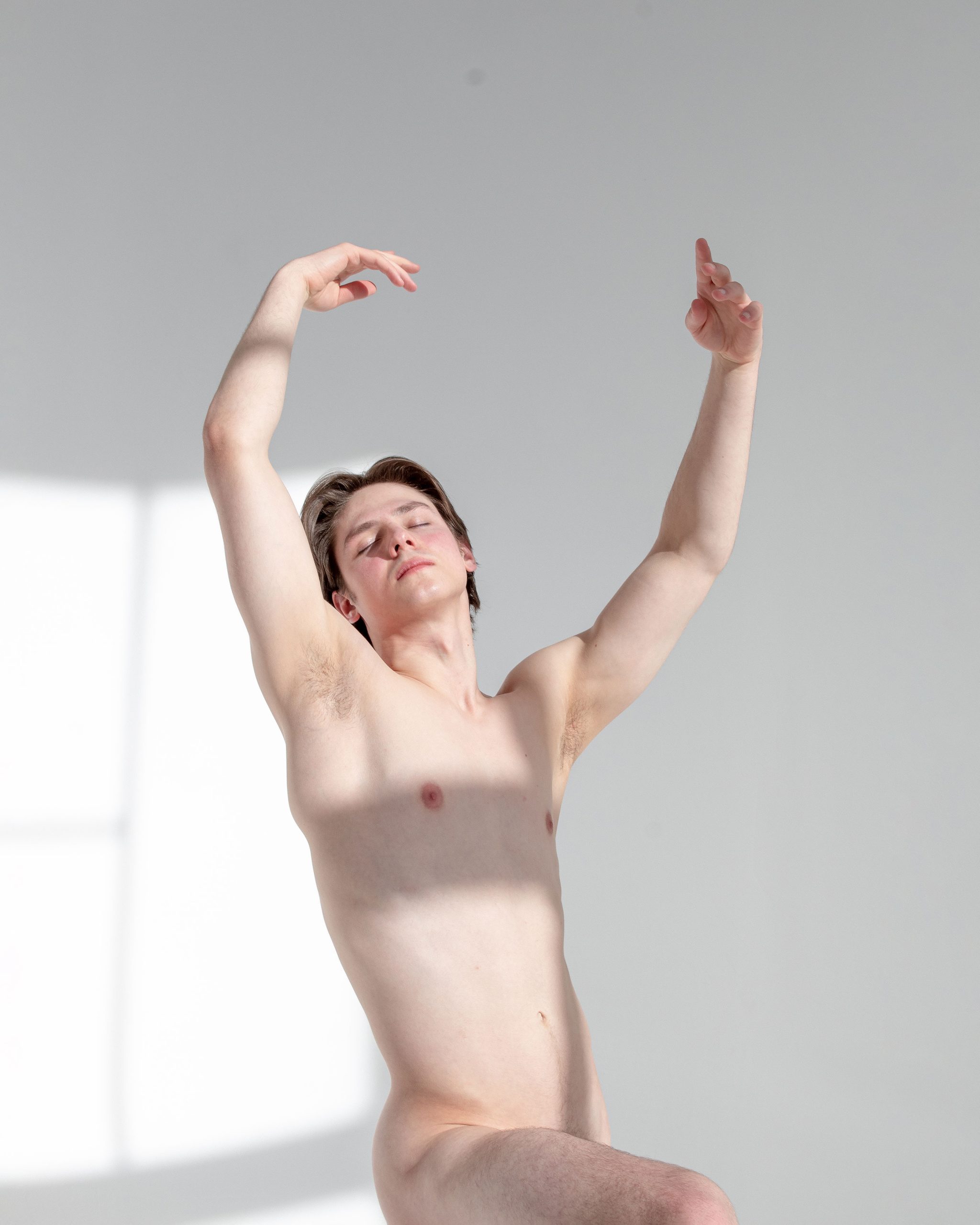
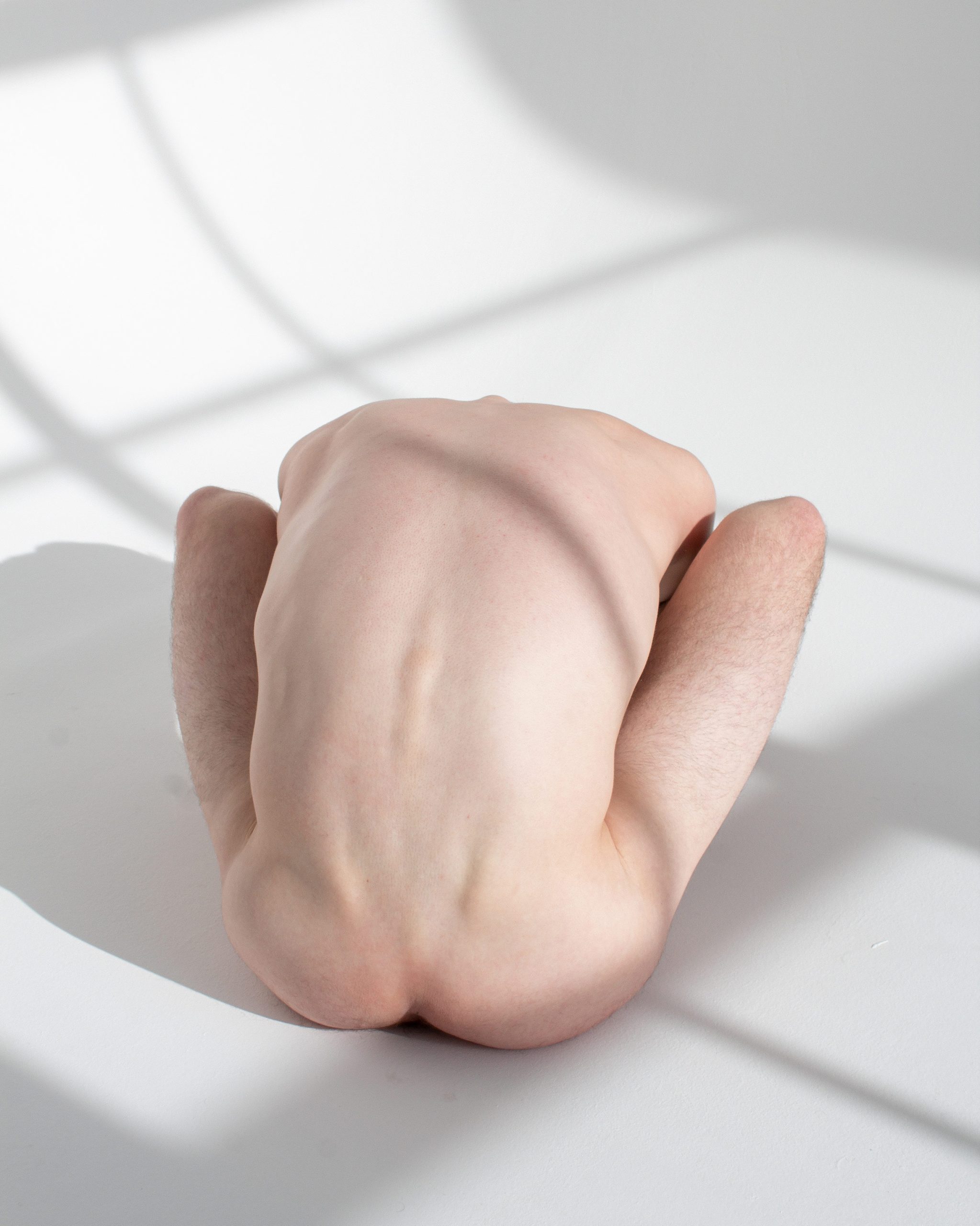
A) It’s true, my architectural degree is extremely beneficial for framing my images. There is a saying that architecture is the discipline of ‘drawing with light,’ of creating a specific rhythm and balance. When designing, you orient a structure to catch the light in a certain way to emphasize key elements. In photography, the process is identical: I pose the model, finding that precise angle where the light takes over, and simply savour the result.
Q) Many of your photographs feel suspended in time, as if nothing is rushing the moment. Is slowness something you consciously seek while working?
A) At the core of my practice is a search for serenity, tranquility, and safety. Many images are captured in unexpected, candid moments—when a model is subtly shifting pose or simply standing in quiet repose. A perfect example is the shoot with Sasha, which took only 40 minutes. The process was swift, yet we managed to create timeless, breathtaking images that feel suspended in the moment.
Q) Living and creating where you do, how does your environment shape what feels possible, safe, or necessary in your artistic choices?
A) My environment has shaped a very specific balance: I feel both liberated and constrained in my practice. I operate without fear of artistic failure, having mastered the art of balancing on the edge of what is allowed. That said, I have a body of work I cannot share publicly, as its exposure would be unsafe for both my models and myself. I am speaking specifically of images that capture the full spectrum and diversity of human love.
Q) Do you feel your work is more quietly understood at home, or does it find different kinds of freedom when seen elsewhere?
A) There is a stark contrast in how my work is received. My family and those closest to me don’t support my path; they oppose this form of artistic expression. But I have built a circle of friends who truly value my vision, and their encouragement is my fuel. Internationally, the support is very open, whereas my Russian audience is much more reserved and quiet in their appreciation—not for lack of passion, but because of the risks involved in being vocal.
Q) Trust feels central to your practice. How do you build a sense of safety with your models, especially when vulnerability is part of the process?
A) I appreciate you highlighting this. Trust is the foundation of everything I do. Typically, the models initiate the process because they want to explore this form of photography. We always start with a conversation about the vision and the details. On the actual day, we spend time together before even picking up the camera—walking, sharing a coffee, and just talking. For me, it’s all about building that human connection. The shoot itself is a peaceful, relaxed experience filled with music and good energy. I maintain the utmost professional distance and respect; paradoxically, it is this sense of safety and respected boundaries that allows a model to truly reveal themselves.
Q) Your photographs never feel extractive. What responsibilities do you feel toward the people you photograph?
A) I’ve always believed that a photograph should be a collaboration, not a theft. My primary responsibility is to honor the trust the model places in me. This means ensuring they feel empowered and respected throughout the process and in the final result. I don’t want to just ‘take’ a picture; I want to create something that belongs to both of us. For me, responsibility means never sacrificing a person’s dignity for the sake of a ‘striking’ image.
Q) When the world feels heavy or restrictive, how do you rest your creative mind and protect your sensitivity?
A) Music is my ultimate sanctuary. It rescues me during my heaviest emotional chapters; an album like Radical Optimism by Dua Lipa has that restorative power. It sparks new visual concepts in my mind and encourages me to live and contemplate beauty. Miley Cyrus’s Endless Summer Vacation and Something Beautiful are profound sources of inspiration for me — the latter truly felt like an immersive journey into the exploration of beauty.
Q) Are there artists, images, or everyday moments that continue to quietly shape your vision?
A) I am constantly observing the work of other creators, building a visual archive of images that move me. At the moment, artists like Vladislav Zorin, Jon Ariza De Miguel, Igor Vavilov, and Arhie are particularly influential. Their work stays with me and continues to refine my own sense of aesthetics and vision.
Q) There is a softness in your gaze that fully resists spectacle. What do you feel compelled to protect in your work?
A) As I mentioned before, I strive to showcase male softness and a quiet sense of intimacy. Men are often subjected to intense objectification by other men, so I consciously avoid anything that feels crude or overly vulgar. I want my photographs to stimulate the mind while maintaining a delicate sense of intrigue. For me, it’s about protecting the subject’s humanity—keeping that ‘tasty’ mystery alive rather than exposing everything for the sake of a spectacle.
Q) What does photography allow you to express or hold that your work as an engineer does not?
A) Photography provides me with a sense of emotional balance; it makes me feel truly alive rather than just existing. While engineering requires a mechanical, almost robotic precision where emotions are sidelined, I find that I cannot live that way. Photography allows me to reclaim my humanity and express the feelings that logic simply cannot capture.
Q) Finally, as you continue working and dreaming forward, what would you like readers to know about where you are now, or what you hope to build next?
A) First, I want to express my deepest gratitude for your support and these insightful questions; this recognition means a great deal to me. Looking ahead, I plan to dedicate much more of myself to photography. I am excited to begin experimenting with artificial lighting and perhaps explore the intersection of art and fashion. My ultimate dream is to eventually publish a photo book dedicated to the beauty of Russian men. For now, I am focused on evolving my craft and seeing where my curiosity takes me next.